Paver Patio Ideas: 15 Designs for Florida Backyards
A paver patio is one of the best investments you can make in a Florida backyard. It gives you usable outdoor space that holds up through rain, heat, and years of use. Done right, it also makes the whole property look better.
The challenge is figuring out what you actually want. Pavers come in dozens of materials, colors, sizes, and patterns. Florida backyards have their own requirements: drainage, heat, humidity, and the kind of storms that can dump a few inches of rain in an afternoon.
Here are 15 design ideas that work specifically in Florida. Each one is practical, not just pretty.
1. Travertine with a Pool
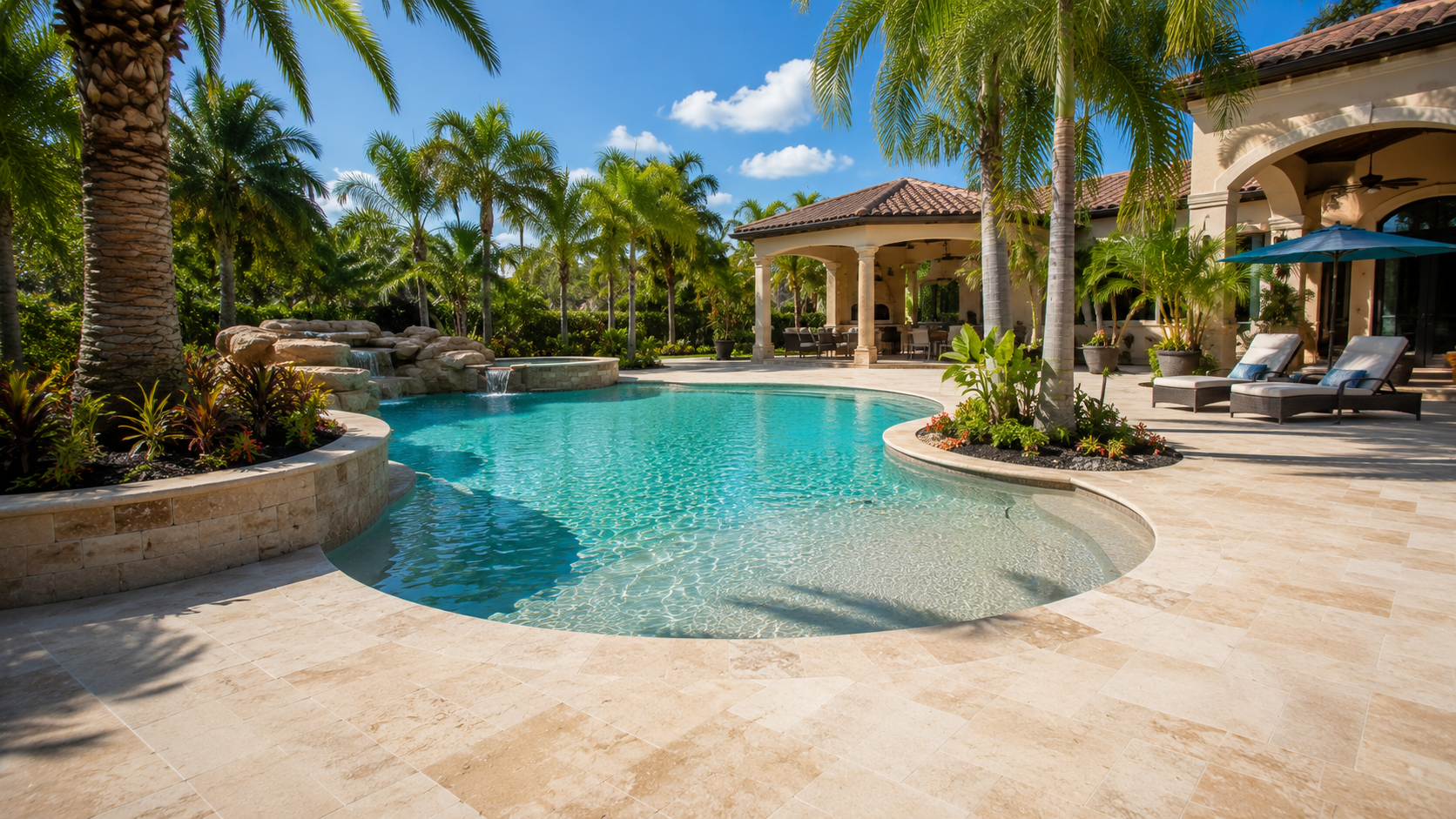
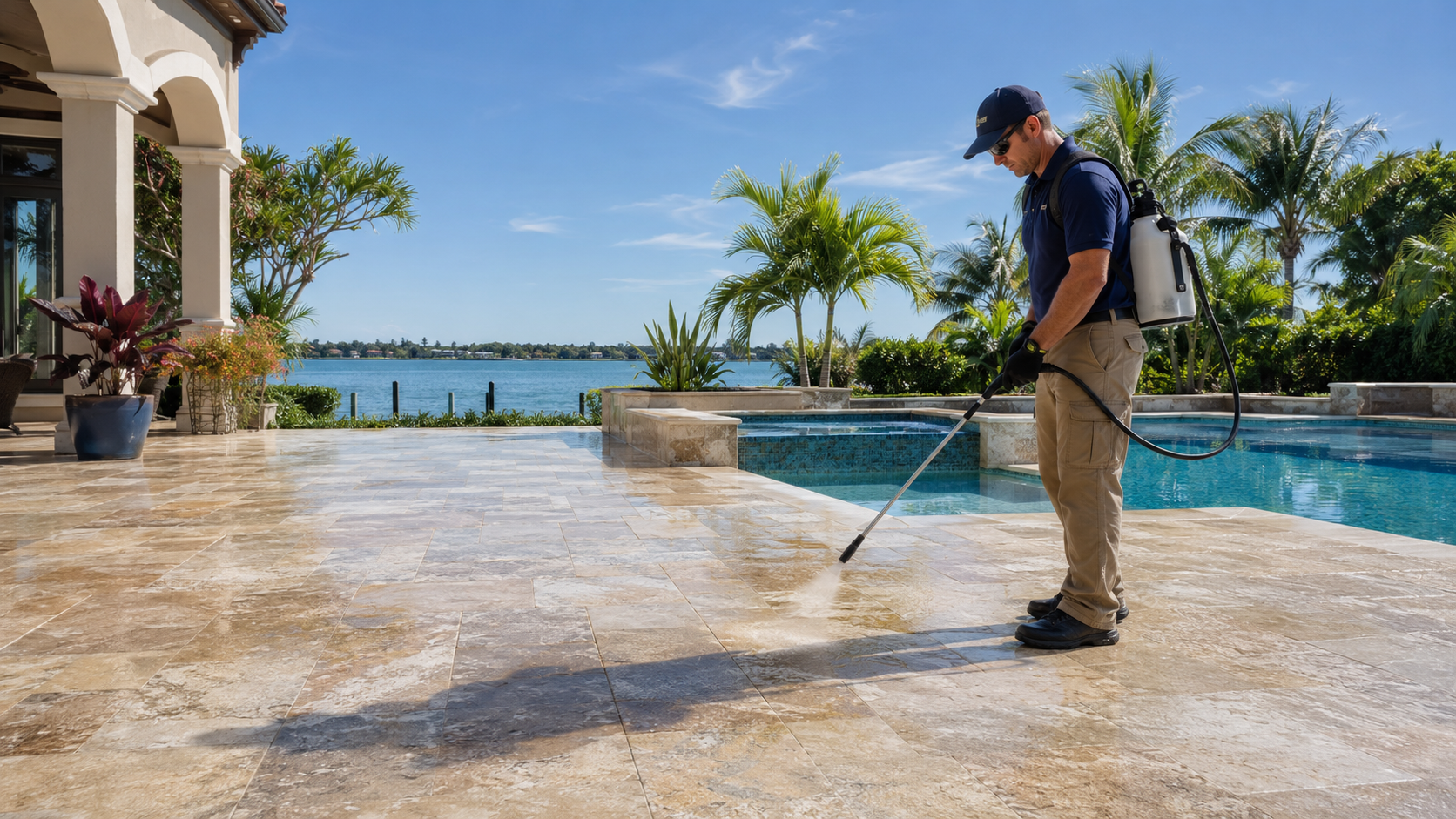
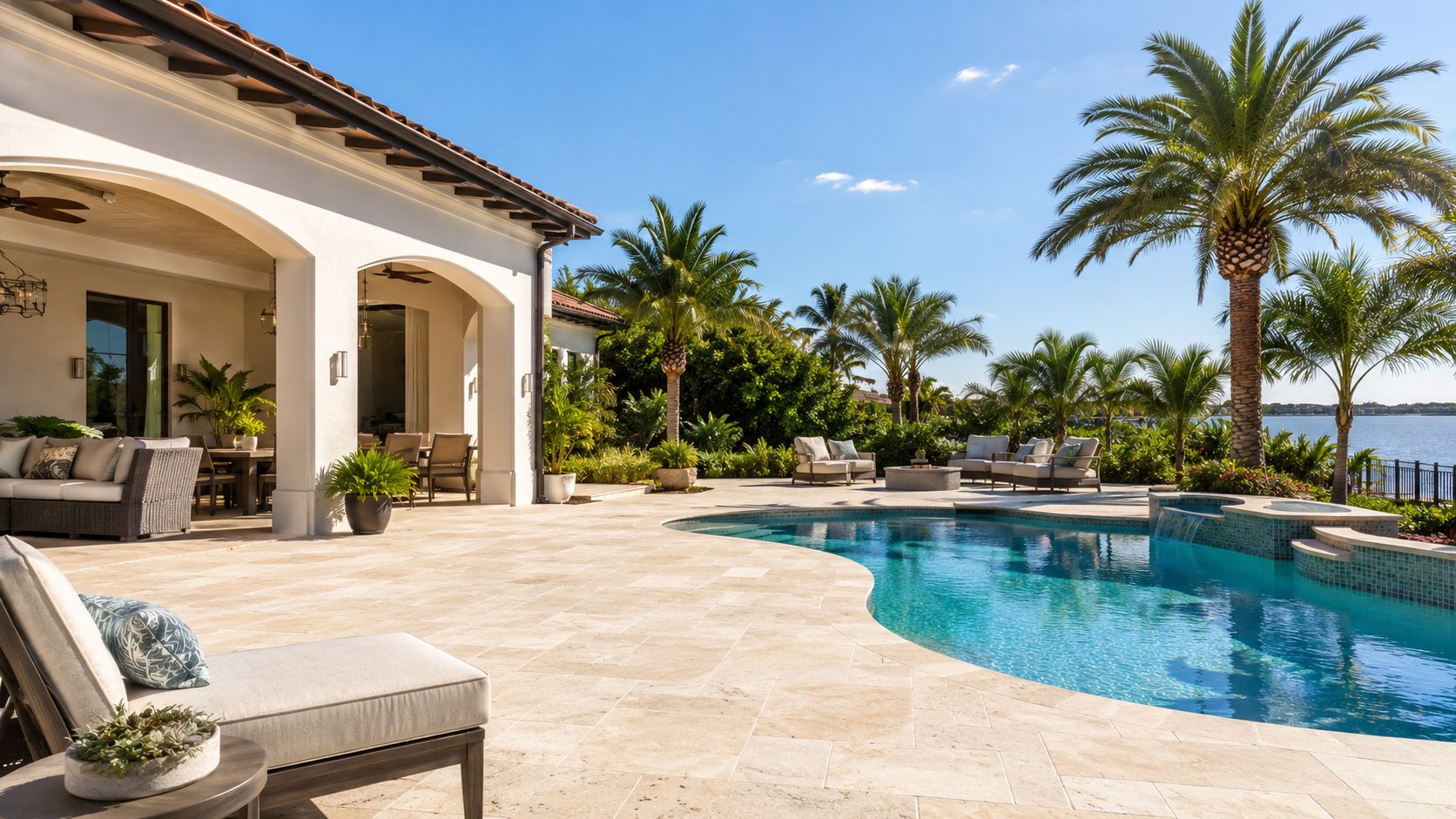
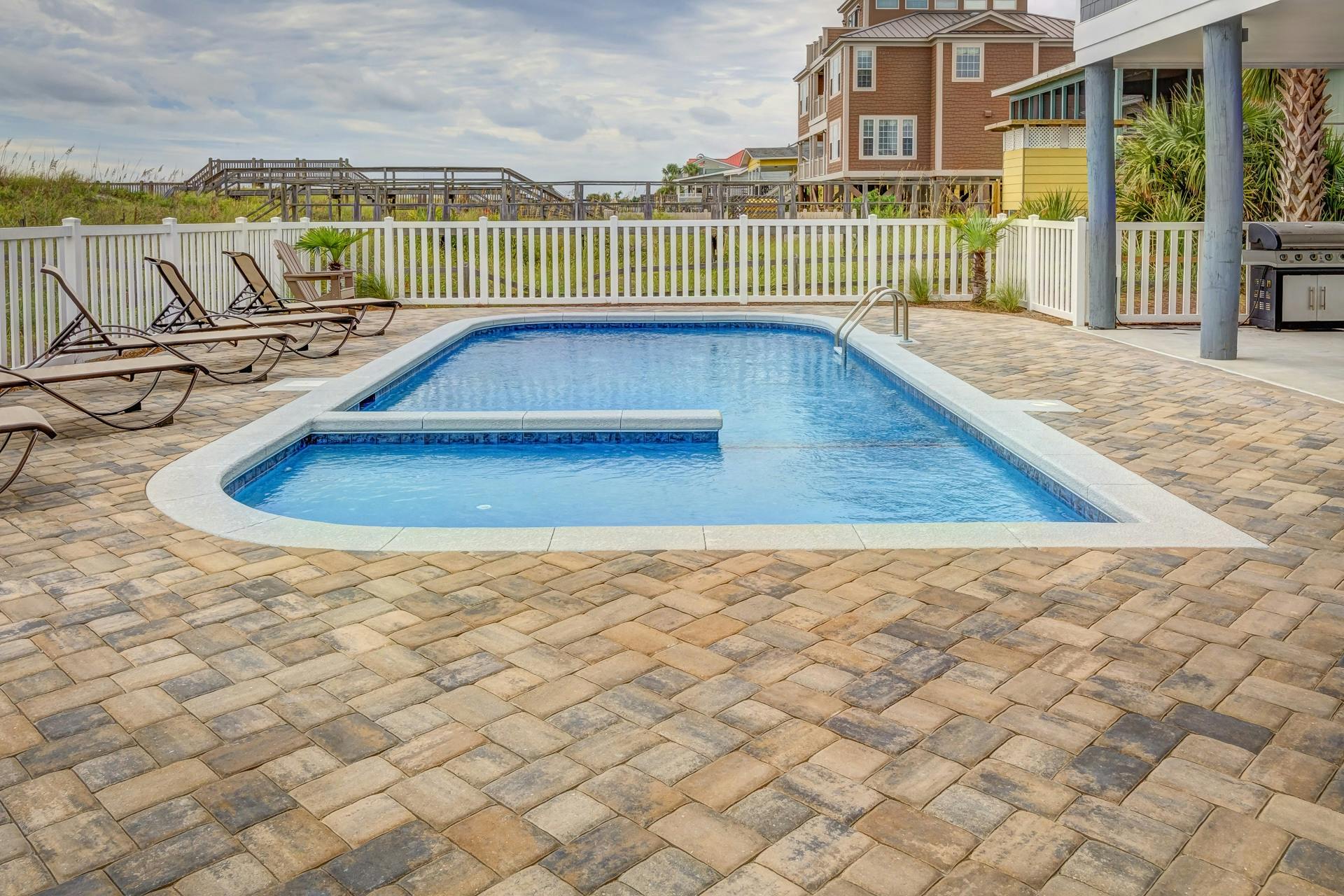
Travertine is the default choice around pools in Florida for a reason. It stays cool underfoot, drains through its natural pores, and does not absorb heat the way concrete does. Pair it with a paver patio installation in Sarasota that wraps from the pool deck into the patio area for a seamless look.
2. Large-Format Porcelain
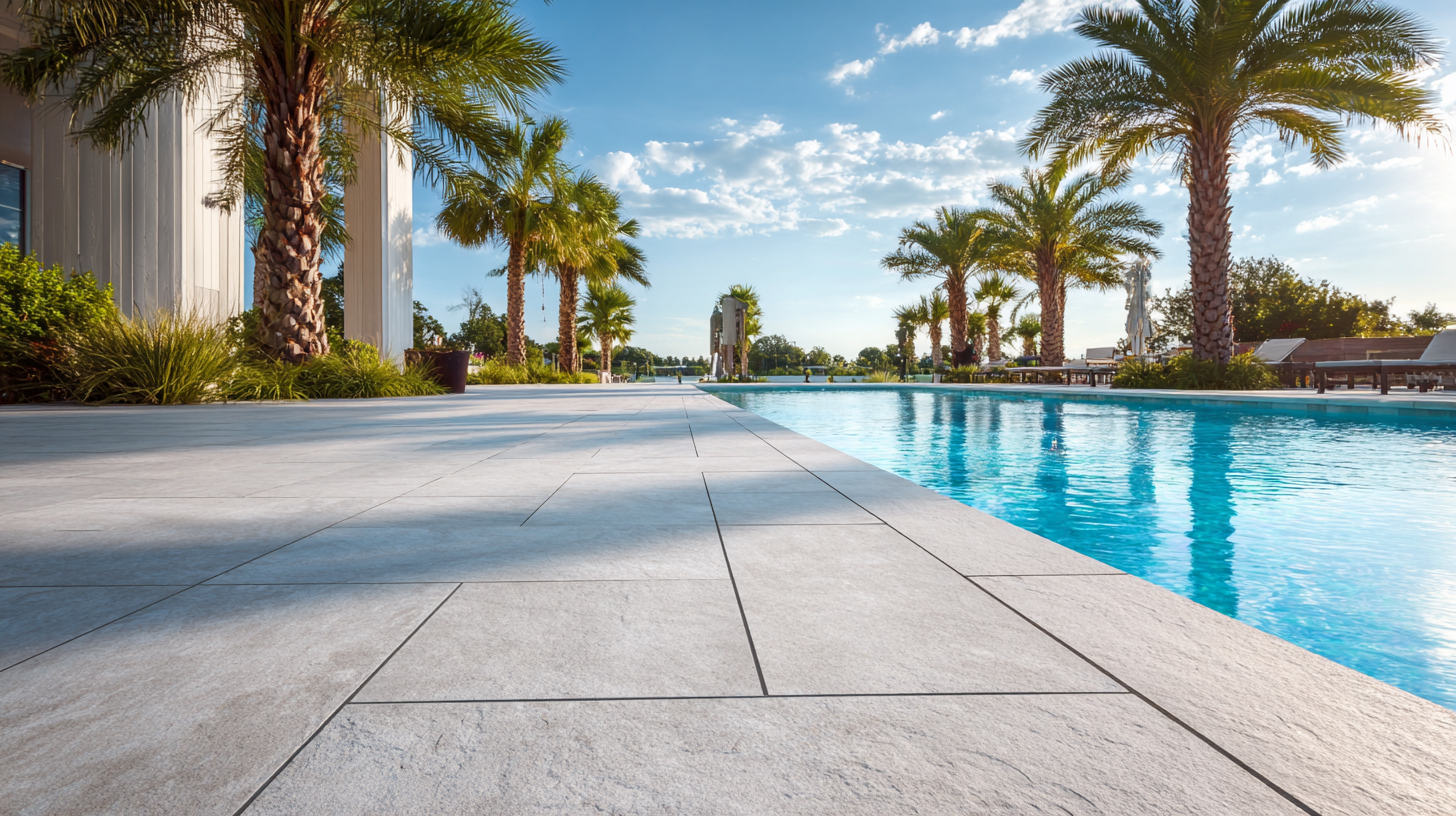
Big tiles (24x24 or larger) give patios a clean, modern look. Porcelain is low maintenance, does not stain, and holds up in wet areas. It also comes in wood and stone looks if you want texture without the upkeep of real materials.
3. Brick Paver Classic
Red and tan brick pavers in a herringbone or running bond pattern suit Florida's older neighborhoods and craftsman-style homes. They age well, are easy to repair, and blend into traditional landscaping.
4. Mixed Material Patio
Combine two materials for visual interest. Travertine field tiles with a contrasting border in a darker paver works well. So does a concrete pad with a paver border. Mixing materials defines different zones without needing a wall or fence.
5. Circular Focal Point
A circle or fan pattern in the center of the patio creates a natural gathering spot. This works especially well under a pergola or around a fire pit. Circular patterns cost more to install because of the custom cuts involved, but the visual payoff is significant.
6. Extended Driveway to Patio Transition
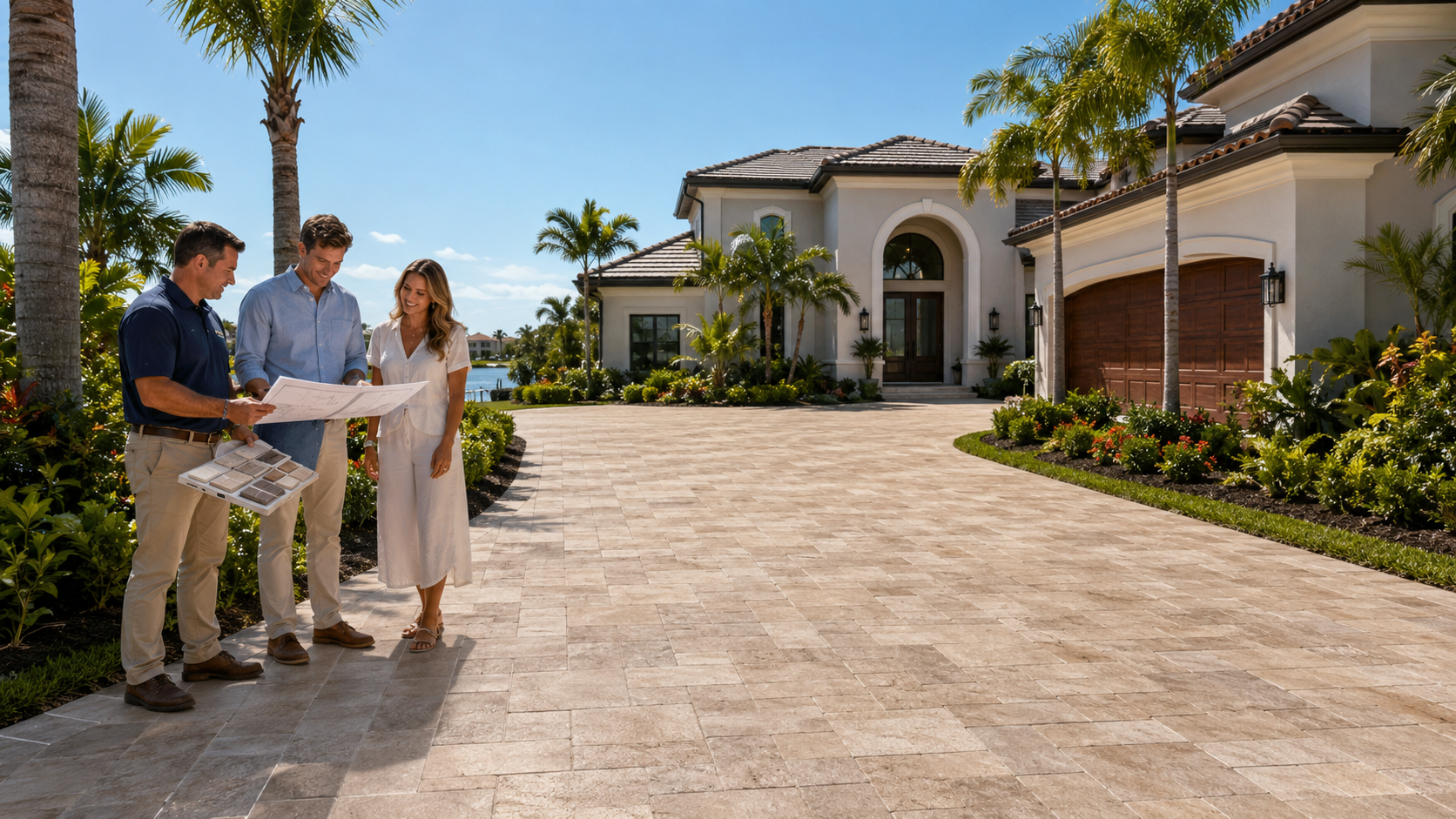
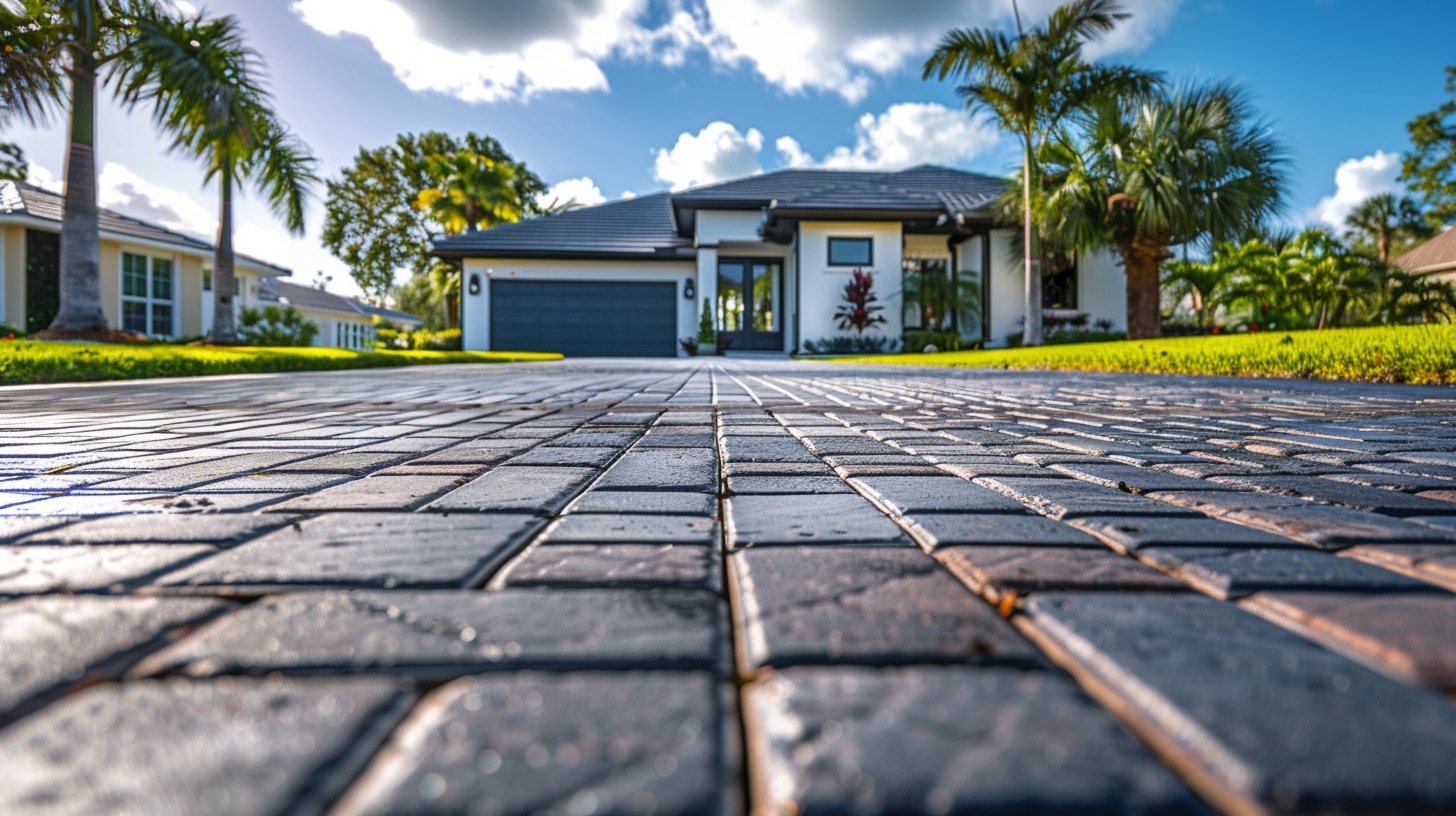
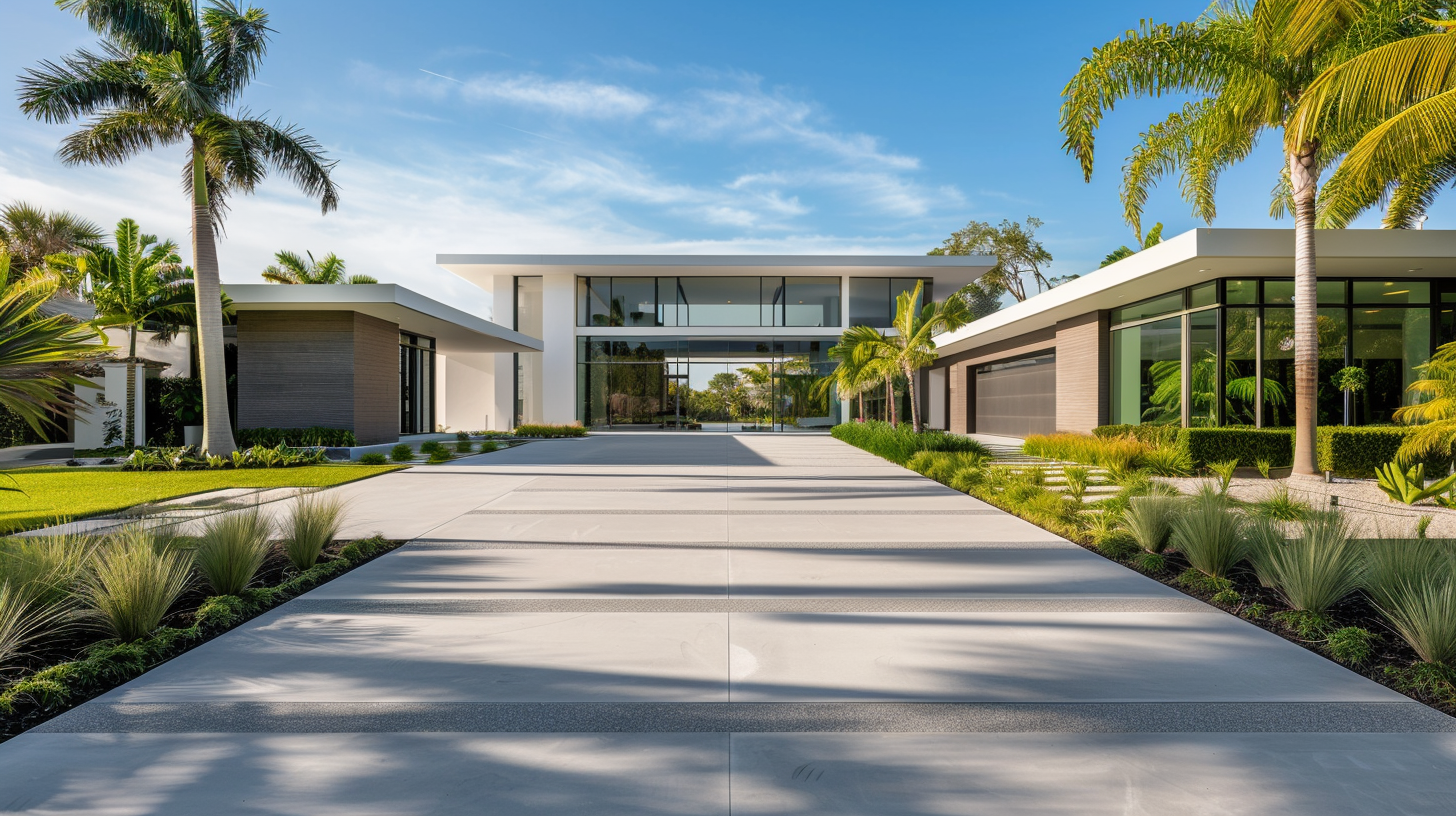
Match your patio material to your driveway for a property-wide look. If you are working on both areas at once, a contractor can price them together and use the same material throughout. See backyard paver patio ideas for more on how to carry a design language across the full property.
7. Florida Lanai Integration
Many Florida homes have a screened lanai. Extending pavers from inside the lanai to the outside patio creates a visual connection between the two spaces. Use the same material or a complementary one with a slight tone shift to differentiate inside from outside.
8. Shaded Patio Under Oak Trees
Florida live oaks drop debris constantly. If your patio sits under trees, choose a paver with gaps or a permeable base that lets water and debris drain through. Avoid light-colored pavers that show staining from tannins in leaves.
9. Outdoor Kitchen Pad
If you are adding an outdoor kitchen, build the patio pad first. Allow for utility rough-ins (gas, electric, water) before the pavers go down. A separate lower section for the kitchen keeps the main patio level and gives you a natural division in the space.
10. Fire Pit Area
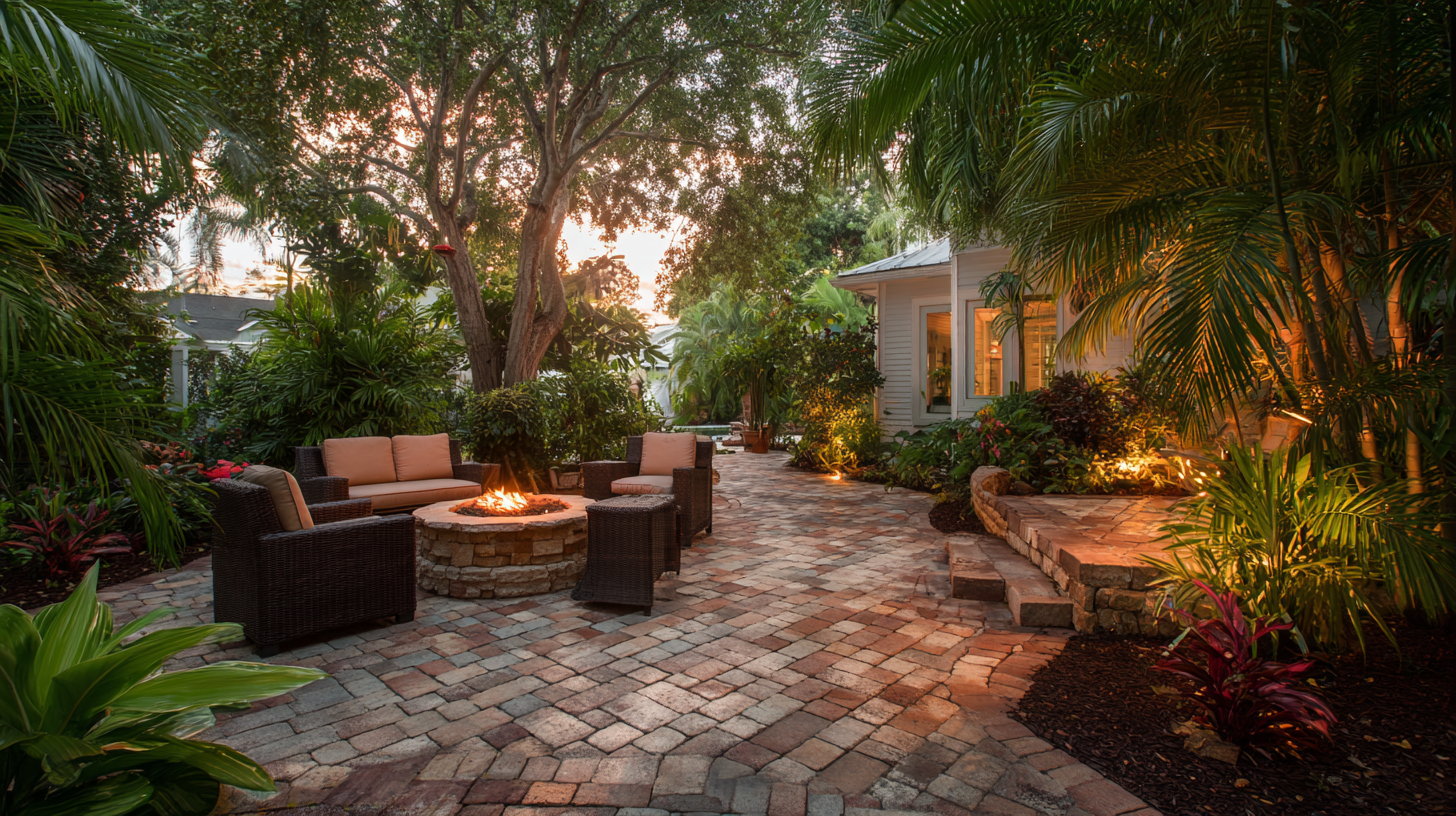
Create a dedicated fire pit zone with a slightly different paver color or a circular arrangement that draws the eye. Keep a minimum of 10 feet of clearance from the house and any overhead structure. Use concrete or brick pavers in the immediate fire area because they handle heat better than travertine.
11. Step-Down Patio Levels
If your yard slopes, work with it instead of fighting it. A two-level patio with steps connecting them handles grade changes gracefully. It also gives you natural separation between the dining area and a lounging or pool zone.
12. Narrow Side Yard Patio
Side yards in Florida are often wasted space. A simple 4-foot-wide paver path with some planting on one side turns a utilitarian corridor into usable outdoor space. Use smaller pavers or a running bond pattern in narrow spaces so it does not feel cramped.
13. Paver Patio with Drainage Channel
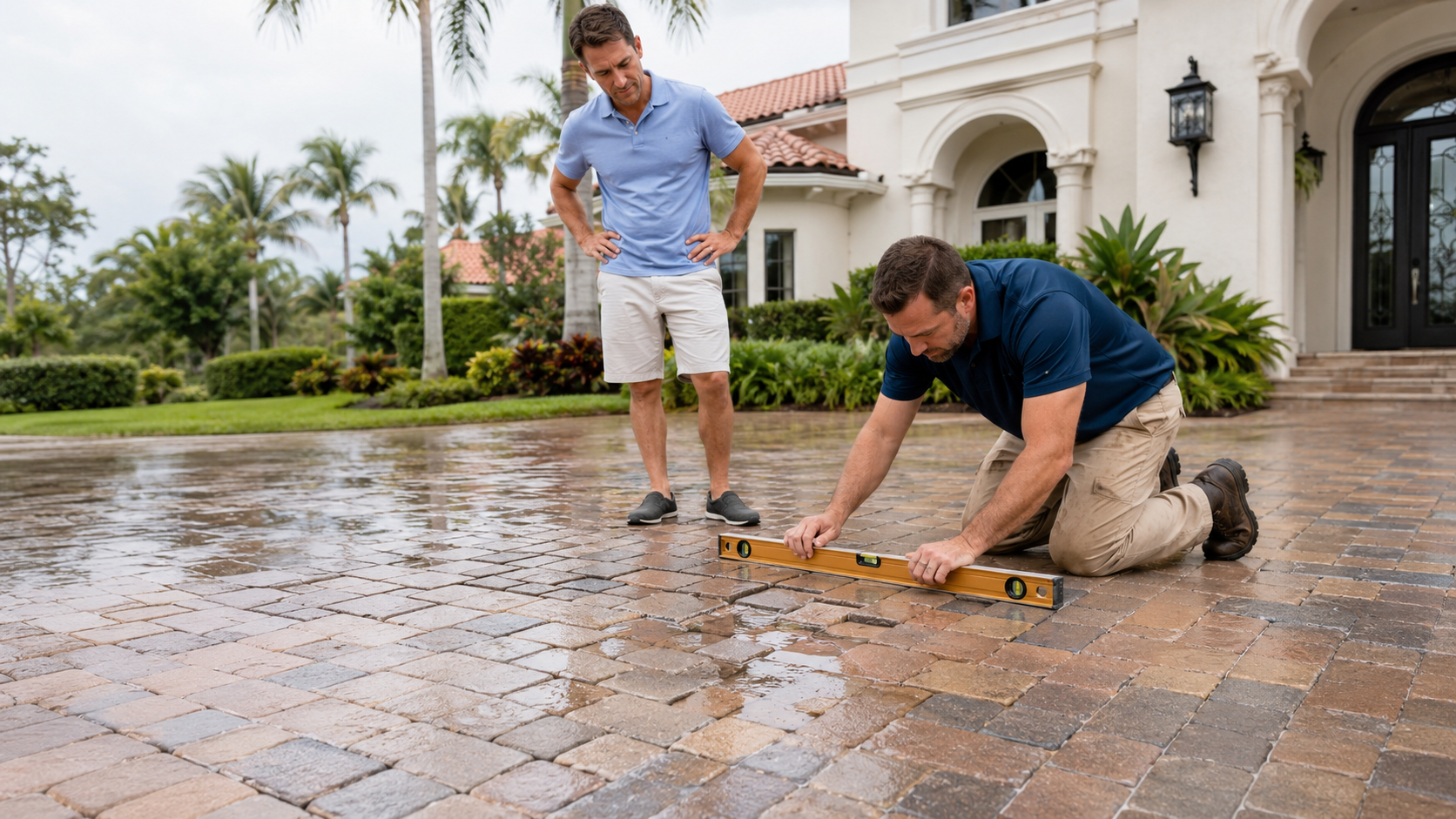
Florida gets intense rain. If your yard does not drain well, a French drain or linear drain channel built into the patio perimeter keeps water from pooling. A good contractor will grade the surface slightly toward the drain rather than toward the house.
14. Coastal or Beach Aesthetic
Sarasota and the barrier islands have a coastal vibe that works well in outdoor spaces. Light sand or cream-toned pavers, some weathered driftwood accents, and native plants around the edge create a relaxed beach-house feel. Stick to materials that do not stain easily if you are near salt air.
15. Full Backyard Hardscape
For smaller lots, full hardscaping makes sense. Replace grass entirely with pavers, gravel, and raised planters. You get a low-maintenance yard that does not need mowing or irrigation, handles foot traffic well, and stays cleaner than turf.
What to Think About Before You Build
A few practical points before you commit to a design:
- Drainage comes first. The patio has to slope away from the house. This should be built into the grade, not an afterthought.
- Permit requirements vary. In Sarasota County, patios over a certain square footage may require a permit. Your contractor will know what applies to your project.
- HOA rules matter. If you live in a community with an HOA, check material and color requirements before buying anything.
- Think about furniture placement. A patio looks different empty than it does with a table, chairs, and a grill. Sketch it out before you lock in dimensions.
Once your patio is installed, ask about paver sealing in Sarasota. Sealing protects the surface from staining, keeps the color from fading, and makes cleanup easier. Most new patios should be sealed within the first few months after installation.
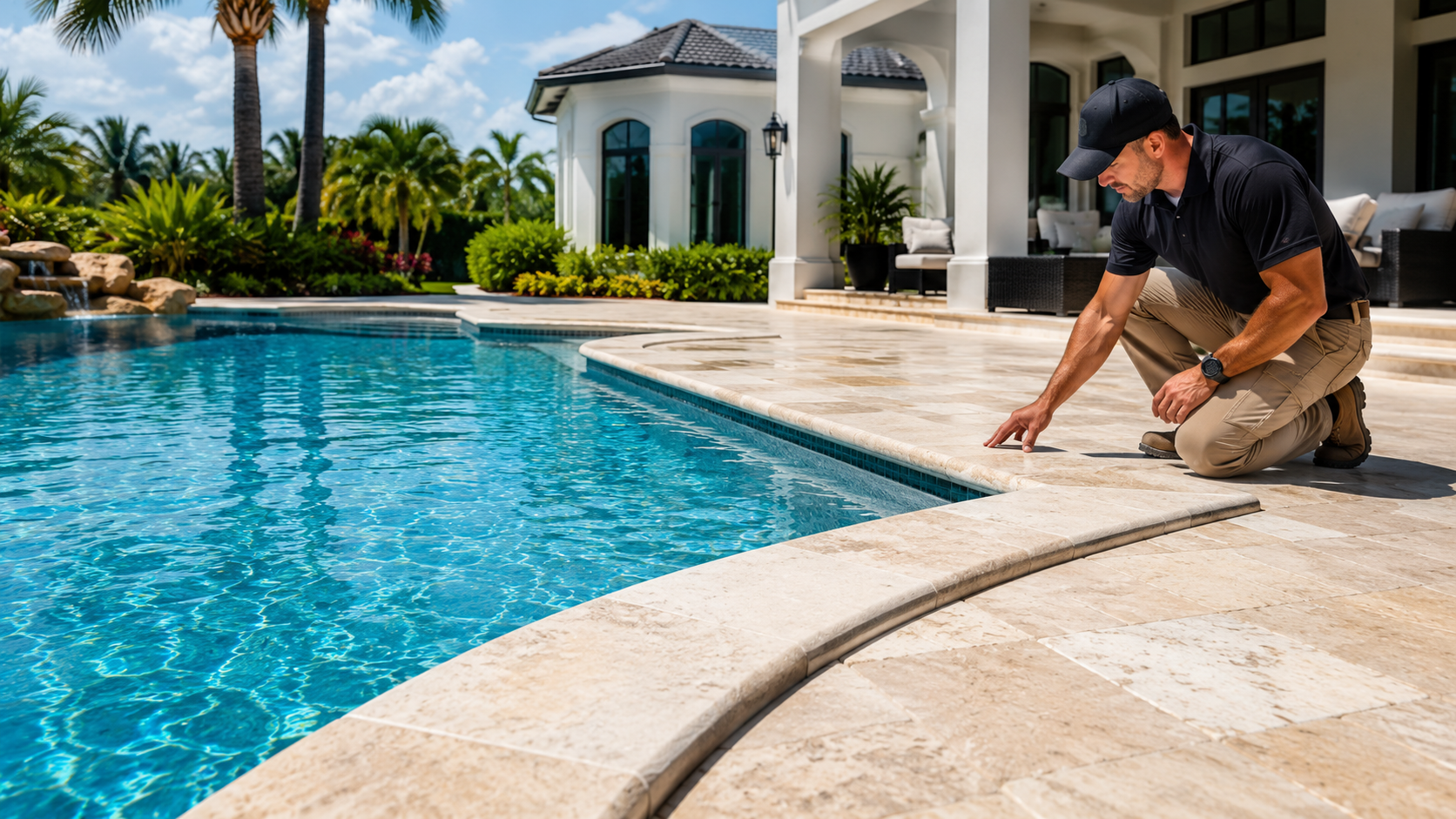
If your project includes a pool area, take a look at our pool deck resurfacing Sarasota page and our guide to pool coping options in Sarasota to plan the full space together.
Ready to Build Your Patio?
We design and install paver patios across Sarasota, Bradenton, Venice, and the surrounding area. If you have a rough idea of what you want, we can help you figure out the details, choose materials, and give you a clear price before any work starts.
Contact us for a free estimate.
Schedule your free consultation today.
Call us or use our online form to request your no-obligation estimate.